
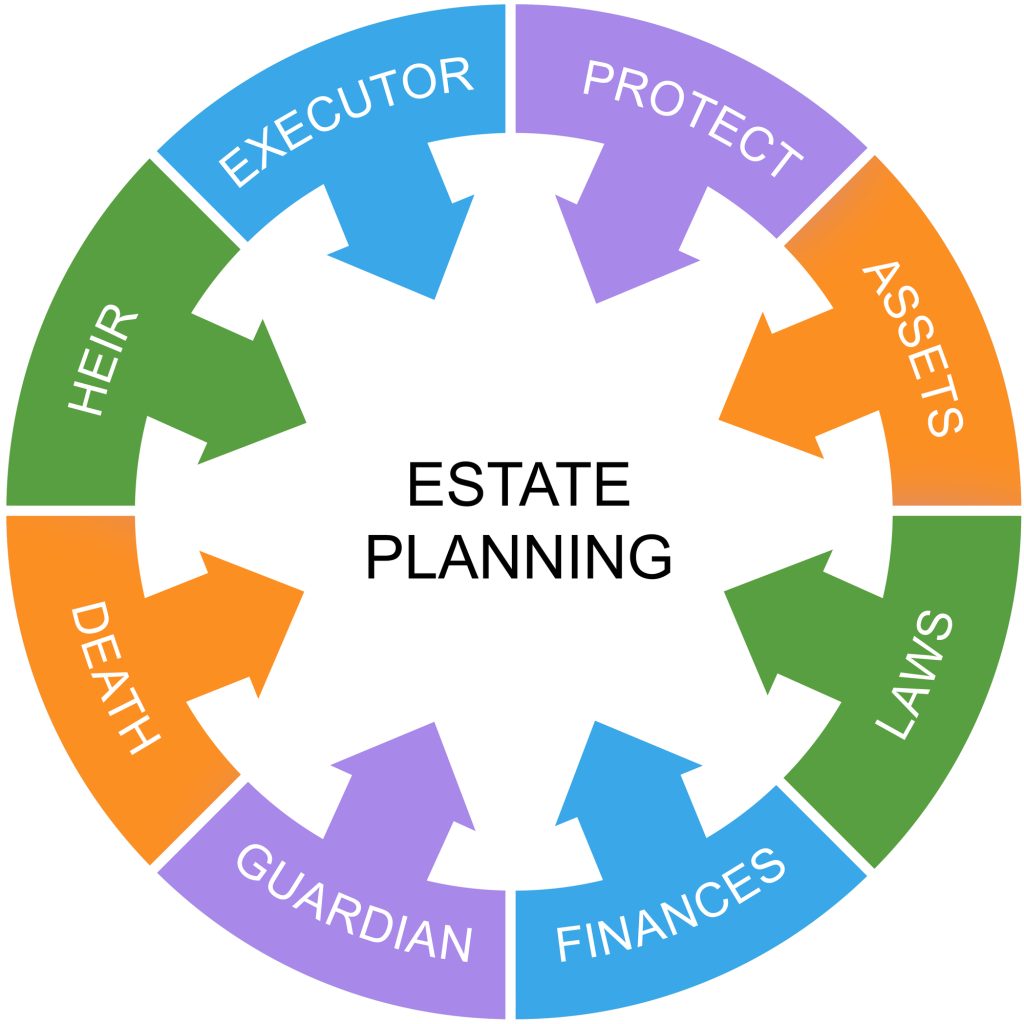
Why Estate Planning Shouldn’t Be Put Off: Trusts vs. Probates
We don’t know what the future holds for us, but we can take steps today to be prepared. Estate planning is one of those crucial tasks that many of us put off, thinking it’s something we can address later. But the truth is, planning for unexpected incapacitation or death is something we all need to consider—sooner than later.
What is Estate Planning?
Estate planning involves making arrangements for the distribution of your assets after your death, and it includes planning for your health and finances if you are unable to make decisions for yourself. One of the most important elements of estate planning is deciding how your property will be managed and passed on to your loved ones. However, a common mistake many homeowners make is keeping their property titled in their personal names.
The Dangers of Probate
In California, if your property is titled in your personal name when you pass away, it triggers the probate process. Probate is a lengthy and often expensive court process that validates your will (if you have one) and oversees the distribution of your assets.
Here’s the kicker: probate in California can take months—or even years—to complete. It can also cost between 4% and 7% of your estate’s total value in court fees, attorney costs, and administrative expenses. Needless to say, probate can be a huge financial burden on your heirs, not to mention the emotional toll of a drawn-out process.
How a Trust Can Help Avoid Probate
The good news is that there’s a simple way to avoid this process: placing your property in a revocable living trust. When you place your home in a living trust, you still retain control over the property during your lifetime. But legally, the trust—not you personally—owns the asset. This change has several major advantages:
-
Avoids Probate: The property is transferred directly to your chosen beneficiaries without any court involvement.
-
Saves Time and Money: Your heirs bypass court delays and costs, often receiving property within weeks instead of months or years.
-
Maintains Privacy: Unlike probate, which becomes public record, the transfer of assets via a trust is a private matter.
-
Ensures Continuity: If you become incapacitated, your successor trustee can manage or sell the property on your behalf without needing to go through the court system.
A Smart Step for California Homeowners
Given California’s high property values, even modest homes often exceed the thresholds for probate’s small-estate exemptions. This means nearly every homeowner in California should consider a living trust as part of their estate planning. It’s a straightforward way to avoid unnecessary legal hurdles and preserve the value of your home for your loved ones.
Consult with an Estate Planner
While transferring your property into a living trust is a smart move, it’s important to consult with an attorney or estate planner to ensure that everything is set up correctly. This is one of the most effective ways to ensure a smooth, stress-free transition for your heirs, while also giving you peace of mind today.
Call Geoff Rue For All Your Real Estate Needs.
GEOFF RUE
805-679-3365
Geoff@Compass.com
GeoffRue.com
CA DRE# 01939927
https://linktr.ee/GeoffRue

801 Chapala St, Santa Barbara, CA 93101
Leave a Reply